
This company has no active jobs
0 Review
Rate This Company ( No reviews yet )
Information Company
- Total Jobs 0 Jobs
- Full Address 90 Long Street
Something About Company
The Top 5 Reasons People Thrive In The Wheelchair Ramp Portable Industry
Exploring Portable Wheelchair Ramps: A Comprehensive Guide
In a world where ease of access and mobility are vital, portable wheelchair ramps have actually become important tools for people with mobility challenges. These ramps offer a practical option for browsing different environments, whether in the house, in public spaces, or during travel. This article looks into the functions, benefits, types, and factors to consider when choosing a portable wheelchair ramp, together with an often asked concerns area to brighten typical inquiries.
What is a Portable Wheelchair Ramp?
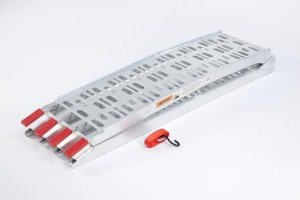
A portable wheelchair ramp is a lightweight, frequently foldable structure designed to offer easy access over stairs, curbs, and other elevation modifications. Unlike irreversible ramps, portable variations can be easily transported and established in different areas, making them ideal for those who require temporary accessibility options.
Key Features of Portable Wheelchair Ramps
- Lightweight Construction: Typically made from materials like aluminum, a portable ramp is developed for easy transportation.
- Foldable Design: Many models can be folded in half or thirds, saving space when saved or carried.
- Slip-Resistant Surface: Most ramps include textured surfaces to avoid slipping, making sure user safety during usage.
- Adjustable Length: Some ramps feature adjustable legs or extended sections, enabling modification based upon the height of the elevation to be browsed.
- Weight Capacity: A variety of ramps are readily available with different weight capabilities to accommodate various users and their equipment.
Benefits of Using Portable Wheelchair Ramps
- Increased Independence: Portable ramps empower users, enabling them to browse environments without requiring help.
- Adaptability: They can be used in numerous settings– homes, automobiles, public areas– making them extremely versatile.
- Economical: Compared to constructing irreversible ramps, portable alternatives can be a more budget-friendly solution to meet accessibility requirements.
- Convenience: The lightweight and foldable nature of these ramps permits users to bring them quickly in automobiles or store them in tight areas when not in use.
Types of Portable Wheelchair Ramps
Below is a comparative table laying out different kinds of portable wheelchair ramps:
| Ramp Type | Description | Pros | Cons |
|---|---|---|---|
| Folding Ramps | Can be folded in half or thirds for transportation. | Compact size, simple to carry. | May need a little bit of setup time. |
| Single Fold Ramps | Lightweight, single-fold style suitable for portable usage. | Easy style, lightweight. | Limited length alternatives. |
| Multi-Fold Ramps | Fold into smaller sizes for simple transport. | Outstanding for greater elevations. | Can be bulkier when completely opened. |
| Telescoping Ramps | Adjustable length; can extend based upon requirements. | Customizable length. | More costly than static ramps. |
| Wheelchair Van Ramps | Designed particularly for cars. | Practical for lorry access. | Can have restricted usage in other places. |
Aspects to Consider When Choosing a Portable Ramp
When selecting a portable wheelchair ramp, think about the list below factors:
- Height of Elevation: Measure the height of the stairs or curb the ramp needs to browse.
- Ramp Length: The longer the ramp, the simpler the slope will be to navigate. Make certain to follow the recommended slope ratio, ideally 1:12 for wheelchairs.
- Weight Capacity: Ensure the ramp can support the user and any equipment, such as a powered wheelchair.
- Portability: Look for ramps that are easy to fold and carry.
- Material: Choose lightweight but resilient materials. Aluminum is popular for its strength and rust resistance.
- Surface area Texture: Ensure the ramp has a non-slip surface area for user security, especially in damp conditions.
Regularly Asked Questions (FAQ)
1. What is the suggested slope for wheelchair ramps?
The ADA (Americans with Disabilities Act) suggests a slope of 1:12 for permanent ramps, which means for every single inch of vertical increase, there need to be at least 12 inches of ramp run.
2. Can portable ramps accommodate powered wheelchairs?
Yes, however it’s vital to validate that the ramp has a weight capacity that meets or surpasses the overall weight of the powered wheelchair and its user.
3. Are portable wheelchair ramps safe?
When used according to the manufacturer’s requirements and standards, portable ramps are typically safe. It’s crucial to select ramps with non-slip surface areas and guarantee they are securely placed.
4. Can I utilize a portable ramp for different places?
Definitely! Among the main benefits of portable ramps is their capability to be used in numerous places, whether in the house, in cars, or in public spaces.
5. What upkeep do portable ramps require?
Frequently inspect the ramp for any indications of wear and tear, clean the surface area to maintain grip (particularly after rain), and ensure all moving parts function appropriately.
Portable wheelchair ramps play a vital function in boosting accessibility and independence for those with mobility difficulties. Their lightweight and foldable styles allow users to navigate stairs, curbs, and other barriers with ease. By considering the factors described above and understanding the different types readily available, users can pick the right ramp to suit their needs. With the best portable wheelchair ramp, individuals can gain back self-confidence in their mobility, making daily jobs much simpler and more enjoyable.